
Lower back pain can affect sleep, work, exercise, driving, and everyday activities. It may begin after lifting, sitting for a long time, repetitive movement, or without one obvious event.
Because lower back pain can have different contributors, a single treatment or stretch is not automatically right for everyone. Muscles, joints, discs, nerves, movement habits, and other health factors may all be part of the picture.
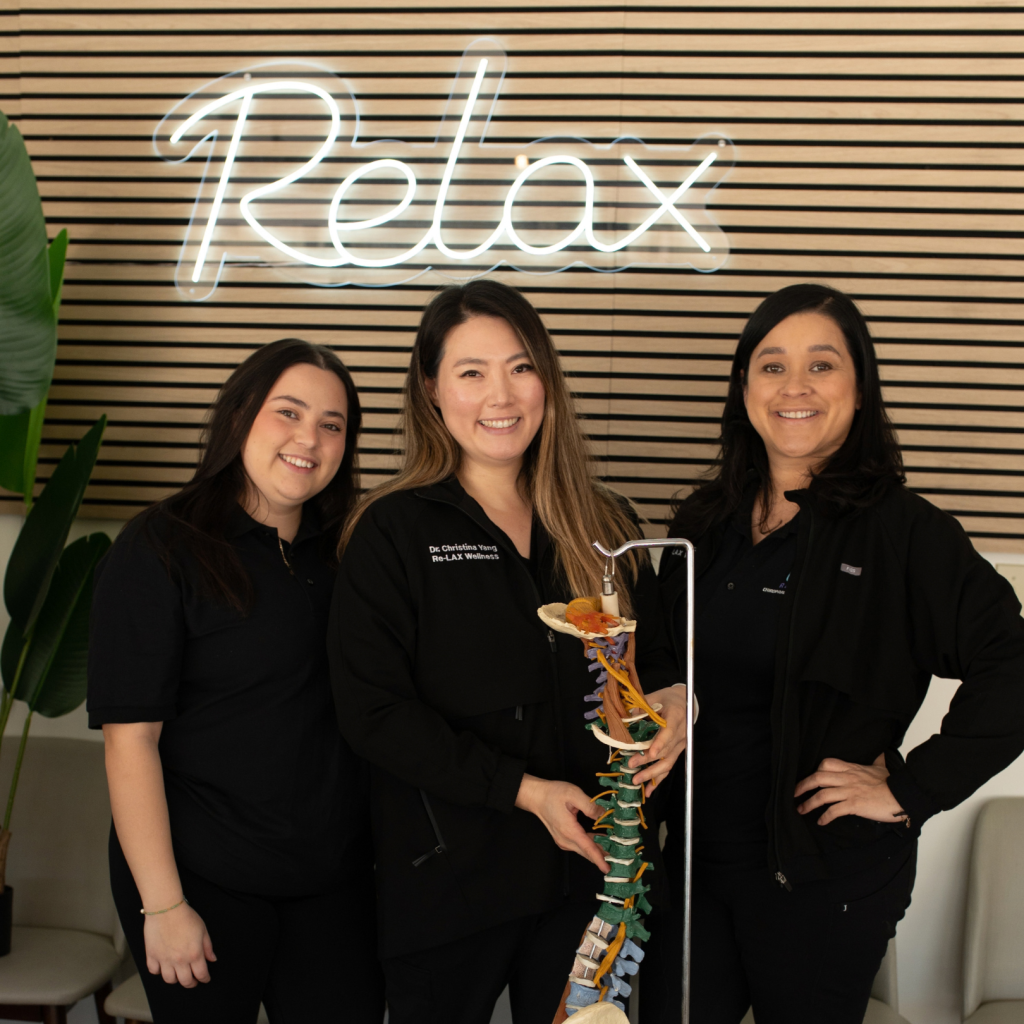
WHY SYMPTOMS CAN VARY
Some people feel soreness mainly in the lower back. Others may notice pain in the buttocks or symptoms that travel down the leg. Symptoms can also change with sitting, standing, walking, bending, or lifting.
A disc patients can sometimes contribute to back or leg symptoms, but an imaging finding does not always explain every symptom by itself. That is why a clinical history and examination are important when deciding what to do next.
A STRUCTURED APPROACH
A useful plan begins with understanding the person, not just the body part that hurts. An evaluation may include a review of your history, movement assessment, orthopedic and neurological testing, and a discussion of any previous imaging.
Based on the findings, care may include movement advice, rehabilitation, chiropractic care, spinal decompression, or other conservative options when appropriate. The plan should be adjusted according to the person’s response rather than applied as a one-size-fits-all formula.
WHAT YOU CAN DO IN THE MEANTIME
During a flare-up, changing positions regularly may be more helpful than staying in one position for hours. Gentle movement may be appropriate for some people, but a painful activity should not be forced. If a movement increases leg pain, numbness, tingling, or weakness, stop and seek professional guidance.
Seek prompt medical attention for severe or worsening weakness, loss of bladder or bowel control, numbness around the groin or saddle area, fever, or unexplained weight loss.
At Re-LAX Chiropractic + Wellness, the goal is to understand what may be contributing to your lower back pain before discussing a personalized plan. Dr. Christina Yang will review your findings and explain which options may be appropriate for your situation.