Spinal decompression is a form of mechanical traction that uses controlled pulling forces to change the loading and movement of a treated area of the spine. It is sometimes considered part of conservative care for selected neck or lower-back conditions.
It is important to understand what spinal decompression can and cannot do. It is not a guarantee that a disc will be pushed back into place, and it is not appropriate for every person or every diagnosis.
HOW IT FITS INTO AN EVALUATION
Before recommending spinal decompression, a provider should review your symptoms, health history, examination findings, and any relevant imaging or reports. Symptoms such as leg pain, numbness, or weakness may have different contributors, so the treatment should be selected based on the individual situation.
Spinal decompression may be discussed for some people with Disc-related pain or degenerative conditions, but the decision should be individualized. Other people may need a different form of care or referral for additional medical evaluation.
WHAT A PERSONALIZED PLAN MAY INCLUDE
Depending on the findings, a conservative plan may include education, movement guidance, rehabilitation, chiropractic care, or other therapies. The goal is to match care to the person’s needs and monitor how symptoms respond.
If symptoms are worsening, pain is traveling farther down the leg, or numbness or weakness is developing, do not rely on a treatment name alone. Seek an appropriate evaluation.
WHAT TO EXPECT AT RE-LAX
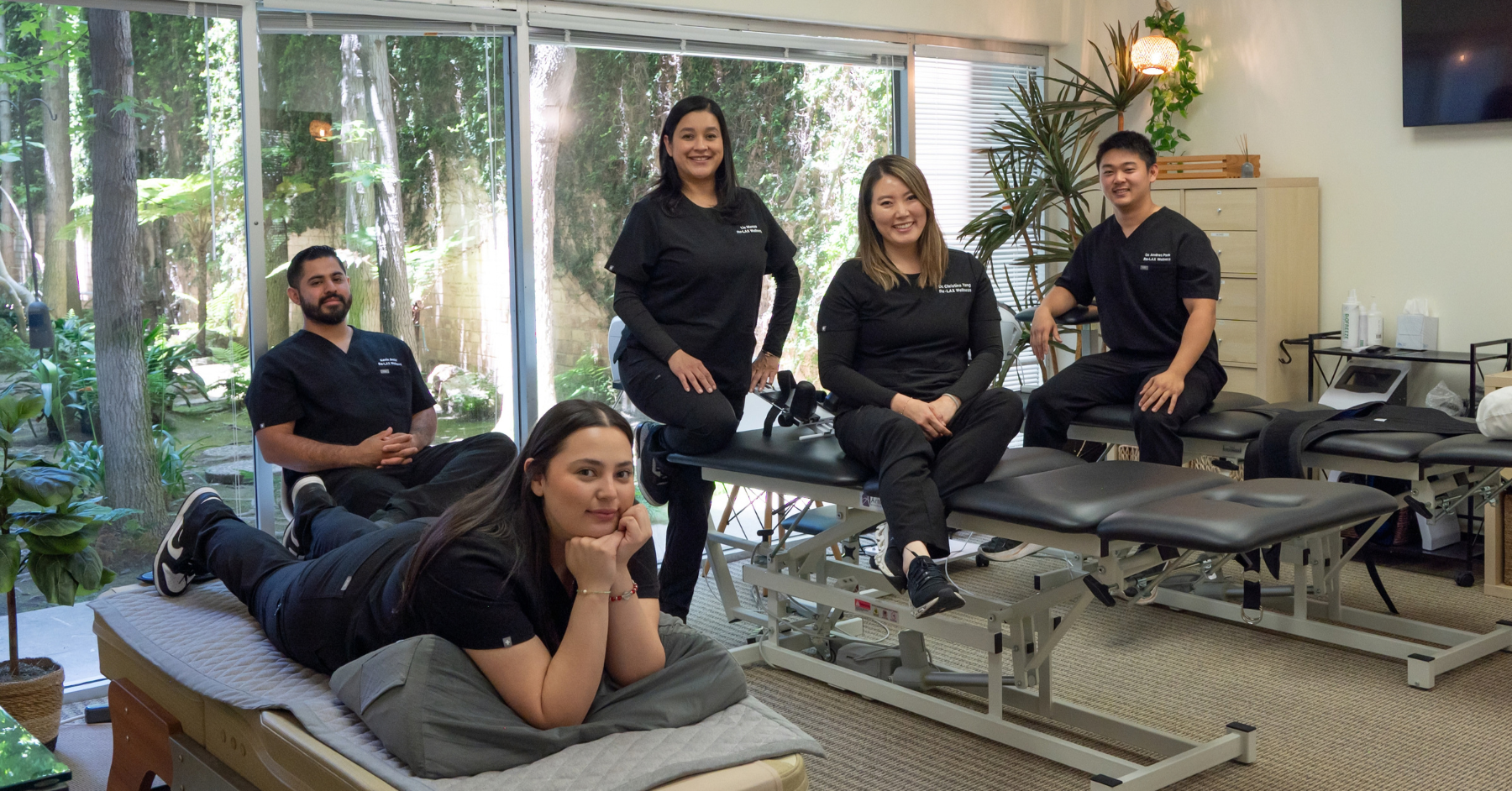
At Re-LAX Chiropractic + Wellness, Dr. Christina Yang and the team begin by listening to your concerns and reviewing your history. The evaluation may include orthopedic and neurological testing and a 3D posture and movement assessment.
After reviewing the findings, the team can explain whether spinal decompression or another care option may be appropriate. If Re-LAX is not the right fit for your situation, you should be informed and directed toward the next appropriate step.