
When back or leg symptoms keep returning, it can be difficult to know what is actually causing them. Pain location is useful information, but it doesn’t always identify the underlying cause.
A proper evaluation looks at the full picture: your symptoms, health history, movement patterns, strength, sensation, and how your body responds during specific tests. The purpose is not to label every symptom immediately. It is to understand what may be contributing and whether further testing or conservative care is appropriate.
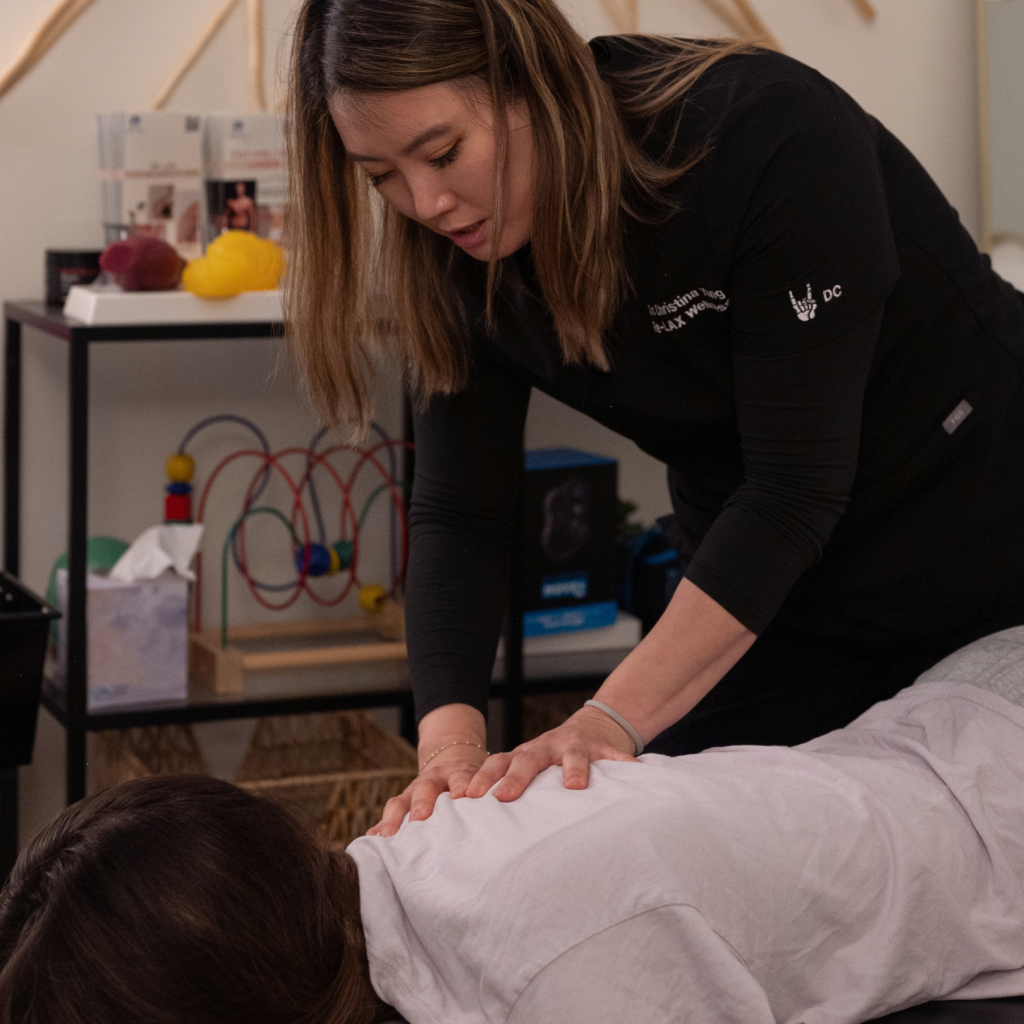
WHAT MAY BE REVIEWED?
During an evaluation, a patient with sciatica may ask when symptoms began, what makes them better or worse, whether the pain travels, and whether they have noticed numbness, tingling, or weakness. They may also review previous imaging or reports when available.
An orthopedic and neurological examination may help assess movement, reflexes, sensation, strength, and other findings. A posture or movement assessment may provide additional information about how you stand, walk, or move through different positions.
WHY A PERSONALIZED PLAN MATTERS
Not every patient needs the same type of care. Some people may benefit from movement guidance or rehabilitation. Others may be better suited to chiropractic care, spinal decompression, or a combination of conservative options. The right approach depends on the individual examination and clinical findings.
A spine evaluation can also help identify when a person should be referred for additional medical assessment. New or worsening weakness, loss of bladder or bowel control, numbness in the saddle area, fever, or unexplained weight loss should be addressed promptly by an appropriate medical professional.
WHAT TO BRING?
If you have previous X-rays, MRI reports, or other relevant medical records, bring them to your appointment. They can help the provider understand what has already been evaluated and discuss your next steps more clearly.
At Re-LAX Chiropractic + Wellness, the first step is to understand your situation before recommending a plan. Dr. Christina Yang and the team can review your symptoms and explain whether the available care options may be appropriate for you. Schedule an evaluation to learn more about your condition and possible next steps.